Art in a Prayer Journal: Small Prints for Reflection and Notes
Prayer journals offer a quiet, personal space to pour out your heart, record prayers, and reflect on scripture. But have you ever considered adding small pieces of Christian art to your journal? With affordable digital art prints now available in A5 and A4 sizes, it’s easier than ever to bring visual inspiration into your devotional practice. In this article, we’ll explore how art can deepen your prayer life, practical ways to include prints in your journal, and tips for choosing artwork that speaks to your faith journey.
Why Add Art to Your Prayer Journal?
Christian art has always played a role in nurturing faith and contemplation. From medieval illuminated manuscripts to simple hand-drawn images in the margins of a Bible, visual beauty helps us focus and respond to God’s presence. In a prayer journal, artwork can:
- Encourage reflection: Images invite us to pause and meditate, opening new avenues for prayer beyond words.
- Highlight scripture: Prints featuring verses from the King James Version can anchor your journal entries in God’s Word.
- Mark seasons: Seasonal art for Advent, Lent, or Easter makes your journal a living record of the church year.
- Provide comfort: Gentle Christian symbols can offer reassurance in times of struggle or grief.
- Inspire creativity: Art encourages creative responses—drawing, writing, or even composing your own prayers.
Choosing the Right Prints for Your Journal
Not all art prints are suited for the pages of a prayer journal. Consider the following when selecting artwork:
- Size matters: A5 prints (148 × 210 mm) are ideal for most journals; smaller journals may benefit from trimming down the artwork.
- Style and mood: Choose from nine distinct styles, from sacred iconography to Christian abstract art, to match your own spiritual journey.
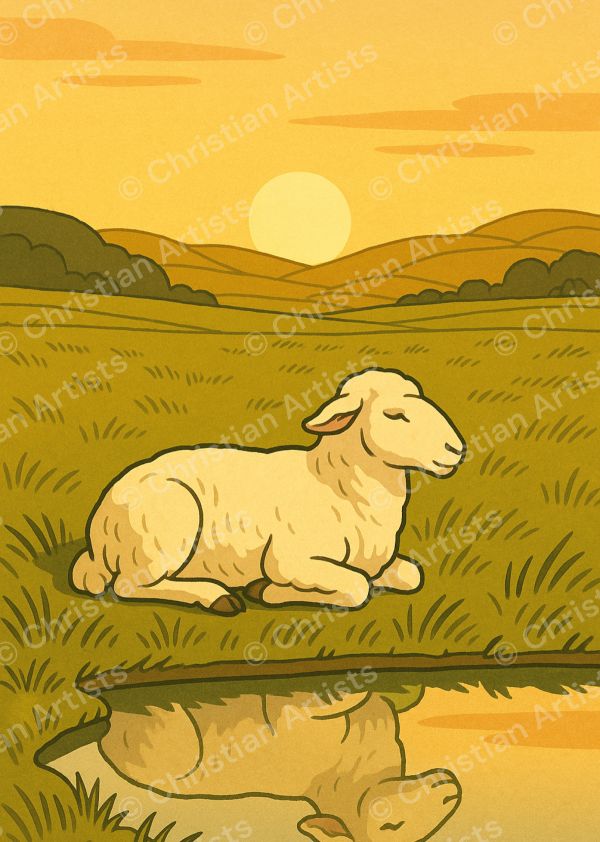
- Scripture focus: Select scripture art prints that feature verses meaningful to you. For example, “The Lord is my shepherd” (Psalm 23:1, KJV) can be a source of daily encouragement.
- Symbolism: Consider Christian symbol artwork if you are drawn to images like the dove, cross, or fish.
- Seasonal themes: Mark special times with seasonal and liturgical artwork for Advent, Christmas, Lent, or Pentecost.
How to Add Prints to Your Prayer Journal
Printing and Preparation
Download your chosen artwork as an A5 PDF or high-resolution JPEG. You can print at home, use a local print shop, or try Prodigi print-on-demand. To ensure a neat fit, use the print-ready PDF with optional 3 mm bleed and crop marks. For further guidance, see our how to print your downloads page.
Attaching Prints
- Glue or double-sided tape: Secure the print to a blank page, leaving space for notes or prayers.
- Tip-in method: Use washi tape to create a hinged insert, allowing you to lift the print and write beneath it.
- Pockets and envelopes: Tuck prints into pockets for easy removal, or use transparent sleeves to protect delicate artwork.
Creative Uses
- Start a reflection page: Paste a print at the top and journal your thoughts, prayers, or questions in response.
- Memory verses: Use scripture prints to help memorise and meditate on key passages.
- Prayer prompts: Let the artwork inspire written prayers or doodles around the theme or verse.
- Seasonal spreads: Create pages for Advent or Lent, adding relevant art and prayers for each week.
Ideas for Reflection: Praying with Art
Bringing art into your prayer journal isn’t just about decoration—it's a spiritual practice. Try these simple approaches:
- Pause and look: Before writing, spend a few moments quietly gazing at the image. What detail draws your attention? What emotion does it stir?
- Read the scripture: If your print features a verse, read it aloud. “Be still, and know that I am God” (Psalm 46:10, KJV) is a calming prompt for centring prayer.
- Respond: Write your thoughts, prayers, or even a single word in response. Let the image guide your conversation with God.
- Return often: Revisit the same print over several days, noting how your reflections deepen or change.
If you are new to this practice, you may find inspiration by browsing our daily Christian art prints or exploring traditional and modern examples at the National Gallery.
Tips for a Meaningful and Practical Prayer Journal
- Choose a sturdy journal: Heavier pages will better support glued or taped prints.
- Leave space to grow: Don’t fill every page at once—let your journal develop over time, adding art as you feel led.
- Date your entries: This helps you trace spiritual growth and see answered prayers over months or years.
- Mix media: Combine prints with handwritten prayers, sketches, or pressed flowers for a rich, personal record.
- Share with others: A journal with art makes a thoughtful gift for a friend, confirmation candidate, or someone facing a difficult season. See our Christian gift prints for more ideas.
- Ask for help: If you are unsure about printing or framing, our printing and framing advice is always available.
Frequently asked questions
Can I use art prints in any type of prayer journal?
Yes, you can add art prints to most journals, whether spiral-bound, hardback, or loose-leaf. Just ensure the page size accommodates your chosen print (A5 is usually ideal), and use suitable adhesives or sleeves to avoid damaging your pages.
Where can I find scripture-based Christian art prints?
You can browse our range of scripture art prints featuring verses from the King James Version. For additional resources, Bible Gateway is an excellent place to explore translations and passages.
Do I need special materials to add prints to my journal?
No special materials are required. Basic glue, double-sided tape, or decorative washi tape works well. For a professional finish, consider using transparent sleeves or pockets. Our printing guide offers more detailed advice.