The Good Shepherd in Art: From Roman Catacombs to Village Churches
The image of the Good Shepherd is one of the most enduring and beloved themes in Christian art. From the hidden walls of Roman catacombs to the stained glass windows of English parish churches, Jesus as the caring shepherd speaks to generations of believers. This article explores its journey through history, the symbolism behind the image, and practical ideas for bringing this timeless motif into your home or church today.
The Good Shepherd in Early Christian Art
In the earliest centuries after Christ, Christians often faced persecution and worshipped in secret. The walls of the Roman catacombs—underground burial places—bear some of the oldest Christian artwork. Here, the Good Shepherd appears frequently, depicted as a youthful figure carrying a lamb on his shoulders or standing among sheep. This image drew on familiar Greco-Roman motifs of the ‘Kriophoros’ (the ram-bearer), but with a new and deeper meaning for believers.
For early Christians, the Good Shepherd was a comforting symbol of Christ’s care and protection, especially in times of danger. It hinted at Psalm 23 and Jesus’ own words: "I am the good shepherd: the good shepherd giveth his life for the sheep." (John 10:11, KJV). The simplicity of these early images made them accessible and easily recognisable among the faithful, while their subtlety protected Christians from unwanted attention.
The Good Shepherd in Medieval and Renaissance Art
As Christianity became accepted and spread across Europe, depictions of the Good Shepherd grew more elaborate. In medieval illuminated manuscripts and church frescos, Christ is shown in pastoral scenes, sometimes with a shepherd’s crook, surrounded by flocks. The sheep often symbolise the faithful, while the landscape hints at the spiritual journey.
During the Renaissance, artists like Murillo and Raphael painted tender scenes of Jesus with sheep, emphasising his gentleness and mercy. These works often drew on passages such as Isaiah 40:11: "He shall feed his flock like a shepherd: he shall gather the lambs with his arm." (KJV). The imagery resonated with both personal devotion and church teaching, making the Good Shepherd a favourite for altarpieces and devotional prints.
To see some of these historic masterpieces, you might visit the National Gallery or the Victoria and Albert Museum, both of which house important collections of Christian art.
The Good Shepherd in Village Churches and Stained Glass
British village churches are filled with images of the Good Shepherd, especially in Victorian stained glass. After the Oxford Movement’s revival of church art, many parishes commissioned windows showing Christ with a lamb across his shoulders or gathering sheep to his side. These artworks comforted congregations, offering a visual reminder of Christ’s love amidst rural communities.
The motif often appears in memorials, symbolising hope in the resurrection and the care of the departed. In churchyards, you may even find gravestones carved with a shepherd and sheep. For those interested in art history, local churches and the Church of England offer resources for exploring these treasures.
Symbolism and Scripture: Why the Good Shepherd Endures
The Good Shepherd is more than a pastoral scene—it is a profound statement about who Jesus is. The shepherd’s crook, the gathered sheep, and the act of carrying the lost lamb all symbolise Christ’s guidance, sacrifice, and unending care. This image draws deeply from scripture, especially Psalm 23, John 10, and parables like the Lost Sheep (Luke 15).
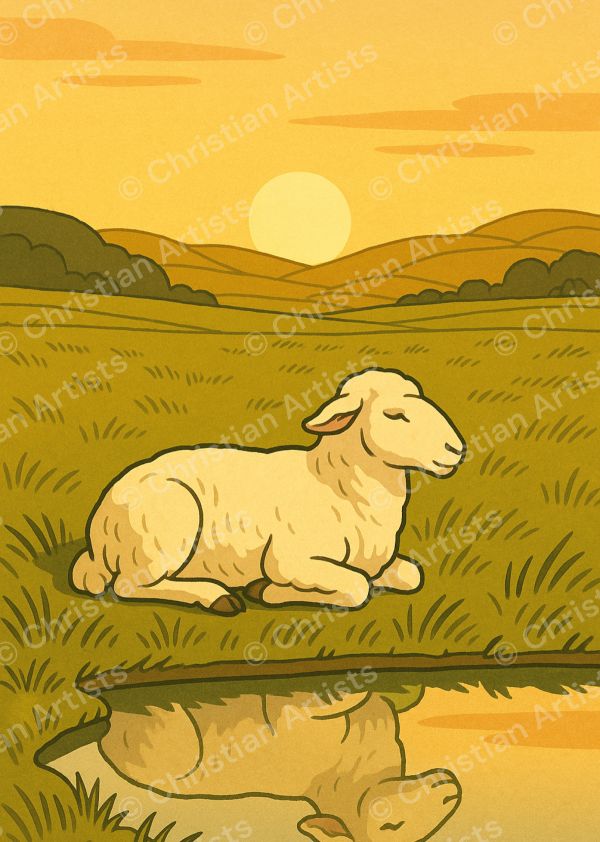
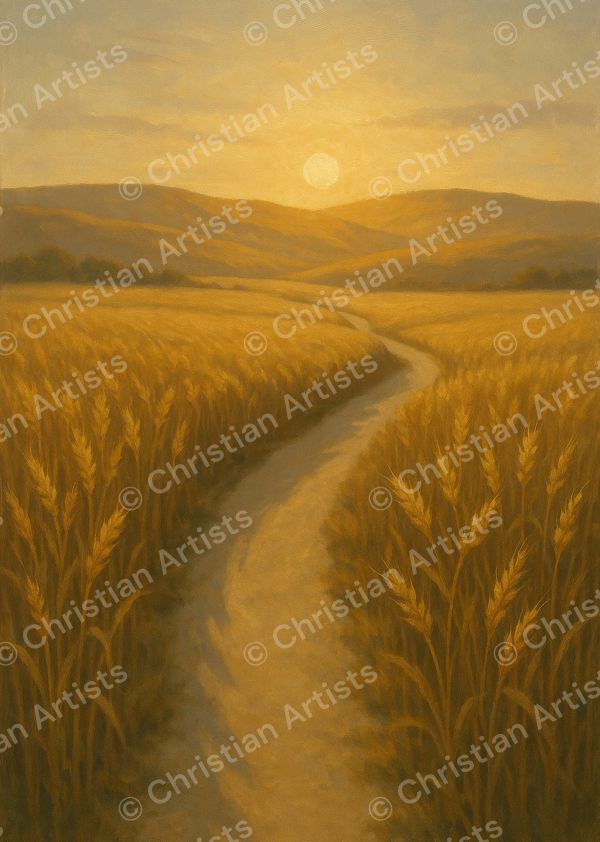
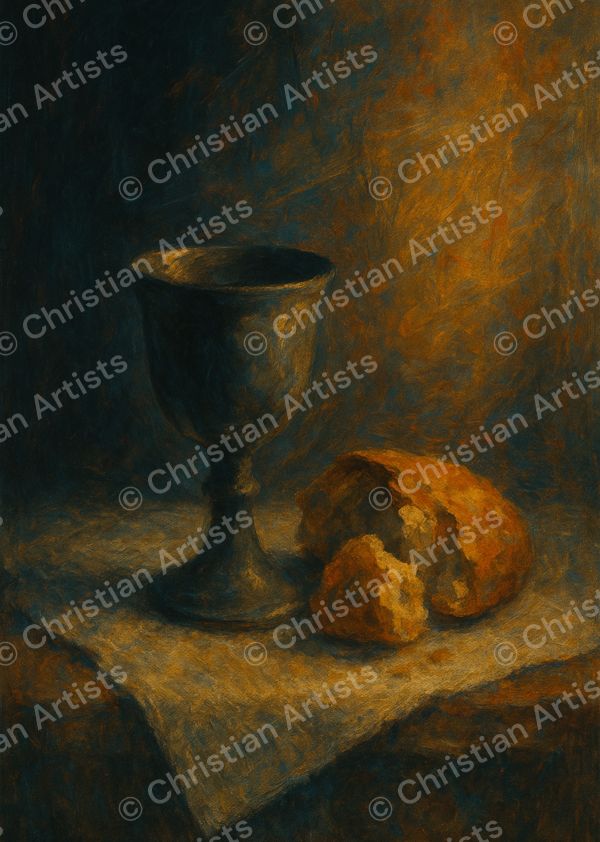
In Christian art, the Good Shepherd may be rendered in many styles—from traditional iconography to bold abstraction. At Christian Artists, you can browse our daily Christian art prints exploring this theme, each quoting the King James Version. Whether you prefer classic or contemporary, the enduring message of Christ’s care shines through.
Bringing the Good Shepherd into Your Home or Church
Displaying art of the Good Shepherd can bless any space. In homes, it provides a gentle reminder of Christ’s presence and protection. In churches, Sunday schools, and prayer rooms, it invites reflection and comfort for all ages. Thanks to instant downloads and flexible print sizes, it’s easier than ever to add scripture-led artwork to your walls.
When choosing a piece, consider where it will be displayed and the style that fits your setting. You might select a classic icon for a sanctuary, or a contemporary interpretation for a study or child’s room. For advice on printing and framing, see our how to print your downloads and printing and framing advice. If you’d like to order professionally, services like Prodigi print-on-demand can produce beautiful prints for any need.
Frequently asked questions
How does scripture influence The Good Shepherd artwork?
Most Good Shepherd art draws directly from passages like John 10 and Psalm 23. Artists often include visual clues—such as the shepherd’s staff or a lamb on Christ’s shoulders—to echo these texts and make the message clear. You can read the relevant passages at Bible Gateway.
Can I use Good Shepherd art in Sunday schools or church halls?
Absolutely. The image is a gentle introduction to Jesus’ care for all, and is often used in teaching and worship spaces. For more, see our artwork for churches and church halls and seasonal and liturgical artwork.
What styles of Good Shepherd art are available?
You’ll find everything from sacred iconography to modern abstract pieces. Explore our sacred iconography prints or browse new daily designs for a range of interpretations.