The Mosaics of Ravenna: Gold, Glass and Early Christian Faith
In the quiet city of Ravenna, Italy, a treasure of early Christian art awaits discovery: the luminous mosaics that adorn its ancient basilicas and baptisteries. These masterpieces of gold and glass are more than marvels of craftsmanship—they are visual sermons, offering profound insight into the faith, hope and artistry of the early Church. This article explores the history, symbolism and ongoing inspiration of Ravenna’s mosaics for Christians and art lovers today.
The Historical Heart of Ravenna’s Mosaics
Ravenna became a centre of Christian art after the fall of the Western Roman Empire. Between the 5th and 6th centuries AD, the city was successively the capital of the Western Empire, the Ostrogothic Kingdom, and the Byzantine Exarchate. Each period left its mark, but it was the Byzantine influence that brought a new brilliance to Ravenna’s churches.
Mosaics—images made from thousands of tiny coloured glass and stone tesserae—decorated walls and ceilings, transforming dark interiors into radiant sanctuaries. The Basilica of San Vitale, the Mausoleum of Galla Placidia, and the Basilica of Sant’Apollinare Nuovo are among the best preserved examples, now recognised as UNESCO World Heritage sites.
Symbols of Faith in Shimmering Glass
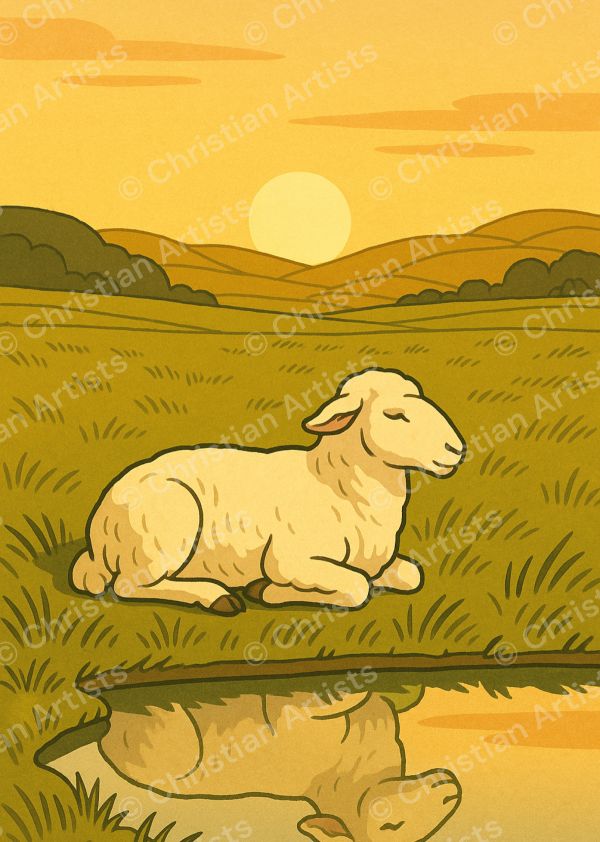
Early Christian artists in Ravenna chose their subjects with care. The mosaics are rich with biblical scenes, saints, and classic Christian symbols. Gold backgrounds, a signature of Byzantine style, evoke the light of heaven and the presence of God. The sheep, the vine, and the Good Shepherd appear frequently, echoing Jesus’ words: “I am the good shepherd: the good shepherd giveth his life for the sheep” (John 10:11).
Other mosaics show scenes from the life of Christ, the Apostles, and Old Testament figures like Moses and Elijah. These visual stories offered a powerful means of teaching the faith to congregations, many of whom could not read. The intricate details—such as the peacock, symbolising eternal life, and the fish, an early sign for Christ—invite meditation on spiritual truths. For those interested in exploring Christian symbolism further, our collection of Christian symbol artwork offers a modern take on these ancient motifs.
Techniques and Materials: Crafting with Light
The artisans of Ravenna worked with a dazzling palette: opaque and translucent glass in blues, greens and reds; lustrous gold and silver leaf sandwiched within clear glass; natural stone and even mother-of-pearl. Each tiny tessera was set at a slight angle, designed to catch the flickering candlelight and sunlight, creating a living, moving image that changed throughout the day.
These techniques were demanding and expensive, but they reflected a theology of beauty: the belief that art should glorify God and lift the hearts of worshippers. If you’re inspired to bring such glowing Christian imagery into your own space, consider browsing our daily Christian art prints, ready to print and display.
Biblical Inspiration: Scripture in Mosaic
Many of Ravenna’s mosaics illustrate specific Bible passages, often using text from the early Latin Vulgate translation. The images were intended to make the Word of God visible and memorable. For example, the dome of the Orthodox Baptistery features John baptising Jesus, with the Holy Spirit descending as a dove, recalling Matthew 3:16: “And Jesus, when he was baptized, went up straightway out of the water: and, lo, the heavens were opened unto him, and he saw the Spirit of God descending like a dove.”
Such scenes underscored the importance of baptism, the resurrection, and the hope of eternal life. Modern Christian artists continue this tradition by creating scripture art prints that bring the timeless words of the King James Version into our homes and churches.
The Enduring Legacy of Ravenna’s Sacred Art
Ravenna’s mosaics have influenced Christian art for centuries. Their styles and symbols spread throughout the Mediterranean and into Western Europe, inspiring everything from illuminated manuscripts to stained glass. Today, their luminous beauty is studied in collections at the National Gallery and the Victoria and Albert Museum, as well as in churches and chapels across the UK.
These mosaics remain a living witness to the faith of early Christians, who found in gold and glass a way to declare the glory of God. Their legacy endures in sacred spaces and in the hearts of those who seek to create art “to the glory of God” (1 Corinthians 10:31).
Bringing Sacred Art into Contemporary Life
For those wishing to echo the spirit of Ravenna in their own settings, digital Christian art offers a practical and affordable way. Whether for a home, a church, or a classroom, our daily Christian art prints are available as instant downloads in A5 and A4, perfect for framing or display. Our seasonal and liturgical artwork can help you mark the church year in the same spirit of beauty and reverence. For guidance on displaying and caring for your prints, see our printing and framing advice or explore how to print your downloads at home or via Prodigi print-on-demand.
Frequently asked questions
Are Ravenna’s mosaics open to visitors?
Yes, the main churches and baptisteries with mosaics in Ravenna are open to the public, though entrance fees and opening times vary. It is always wise to check official websites before planning a visit.
What makes Ravenna’s mosaics unique in Christian art?
Ravenna’s mosaics are noted for their exceptional preservation, extensive use of gold, and vivid depiction of both Western and Eastern Christian themes. The synthesis of Roman, Ostrogothic and Byzantine styles makes them a bridge between ancient and medieval Christian art.
How can I incorporate Christian mosaic themes in my home?
While original mosaics are rare and precious, you can bring their spirit into your home with Christian art prints inspired by sacred symbols and scripture. Explore sacred iconography prints or scripture art prints to find artwork reflecting the beauty and faith of the early Church.